Rapids on the Middle Fork of the Salmon
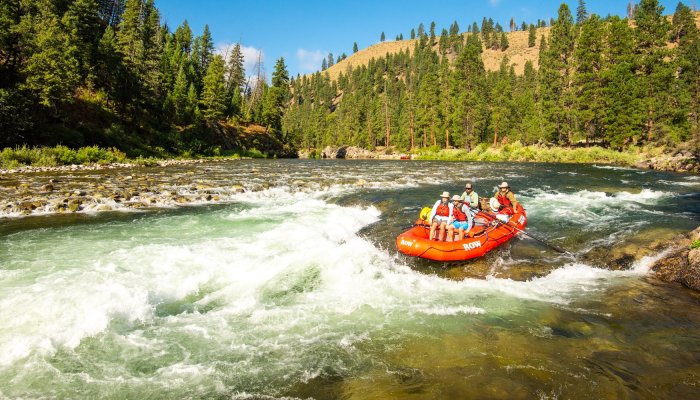
The Middle Fork of the Salmon is a thrilling backcountry whitewater adventure. This immersive wilderness experience is rich in history, scenery, hot springs, and, of course, a wide array of exciting rapids. The river stretches 100 miles with over 100 rapids. On a vast majority of guided trips, with the exception of some early highwater trips, you will fly into the Indian Creek put-in on a bush plane.
The day before, your guides will have navigated the top 25 miles in light boats that will be waiting and ready to pick you up by the time you arrive by plane. After a brief introduction and safety talk, your river adventure begins.
Please note, the days these rapids occur can vary based on what camp you stay at, but this is a general overview. The rapids on the Middle Fork range from class I up to class IV. If you’re interested in learning more about rapid classification, explore our whitewater classification guide.
Day 1: Indian Creek Shallows & Orelano Rapid
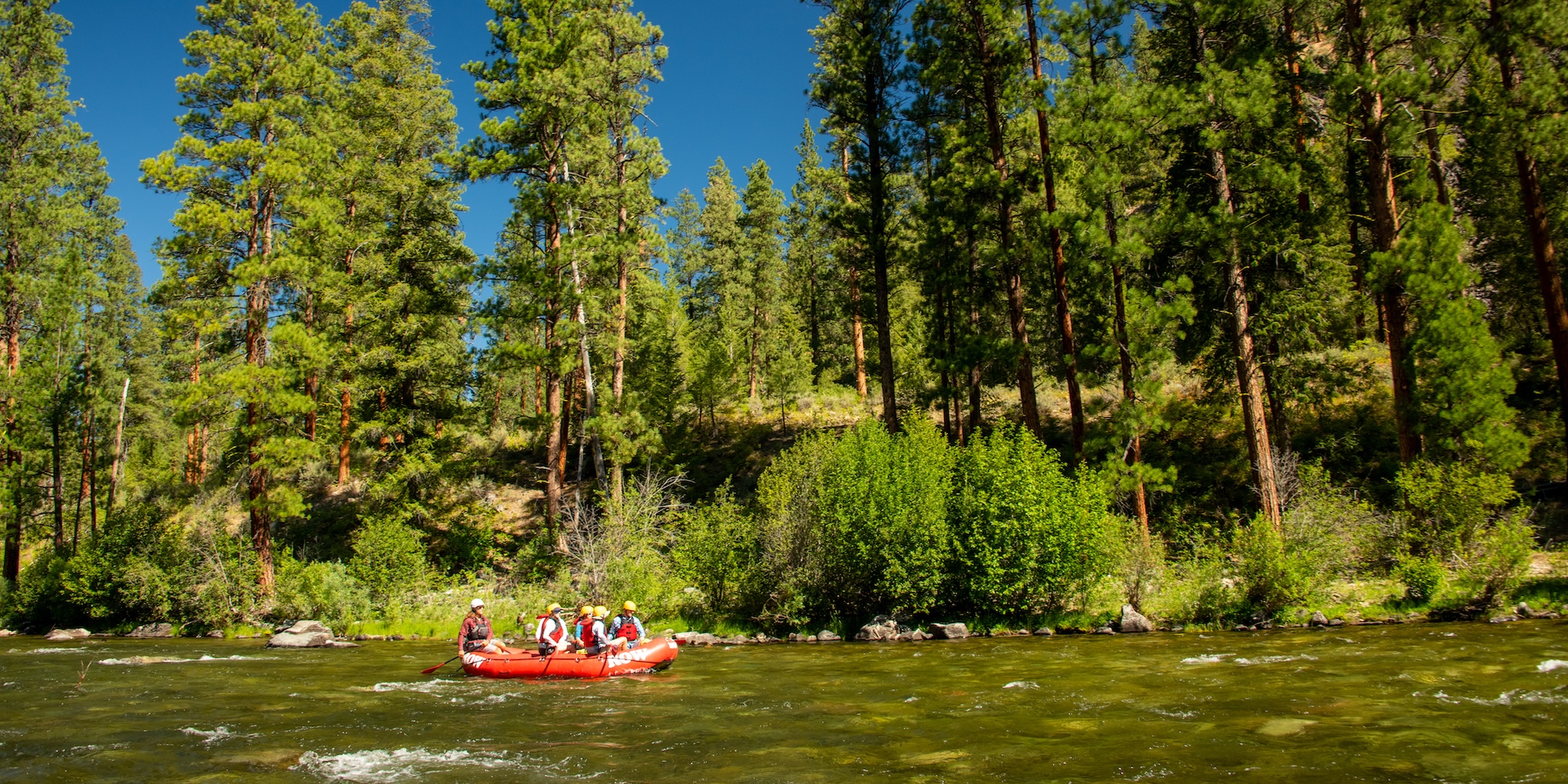
The rapids on day 1 are the perfect introduction to the style and temperament of the Middle Fork. There are no major rapids on the first day, so you’ll have plenty of time to get to know your guides in the oar boats or warm up with your paddling team in the paddle raft. Immediately, you’ll notice the shallow and creek-like nature of the river. It is likely you will bump into some rocks as you make your way down this first stretch of the Middle Fork.
Right off of put-in, you’ll face the Indian Creek shallows as your guide tries to follow the deepest channels through. The hardest rapid you’ll encounter today is likely Orelano Rapid (II+). This rapid is defined by the big boulders that make themselves known as the water levels drop to typical summer flows, and you could be in for a bumpy ride as you bob and weave between the rocks.
Day 2: Marble Creek Rapid & Jackass Rapid
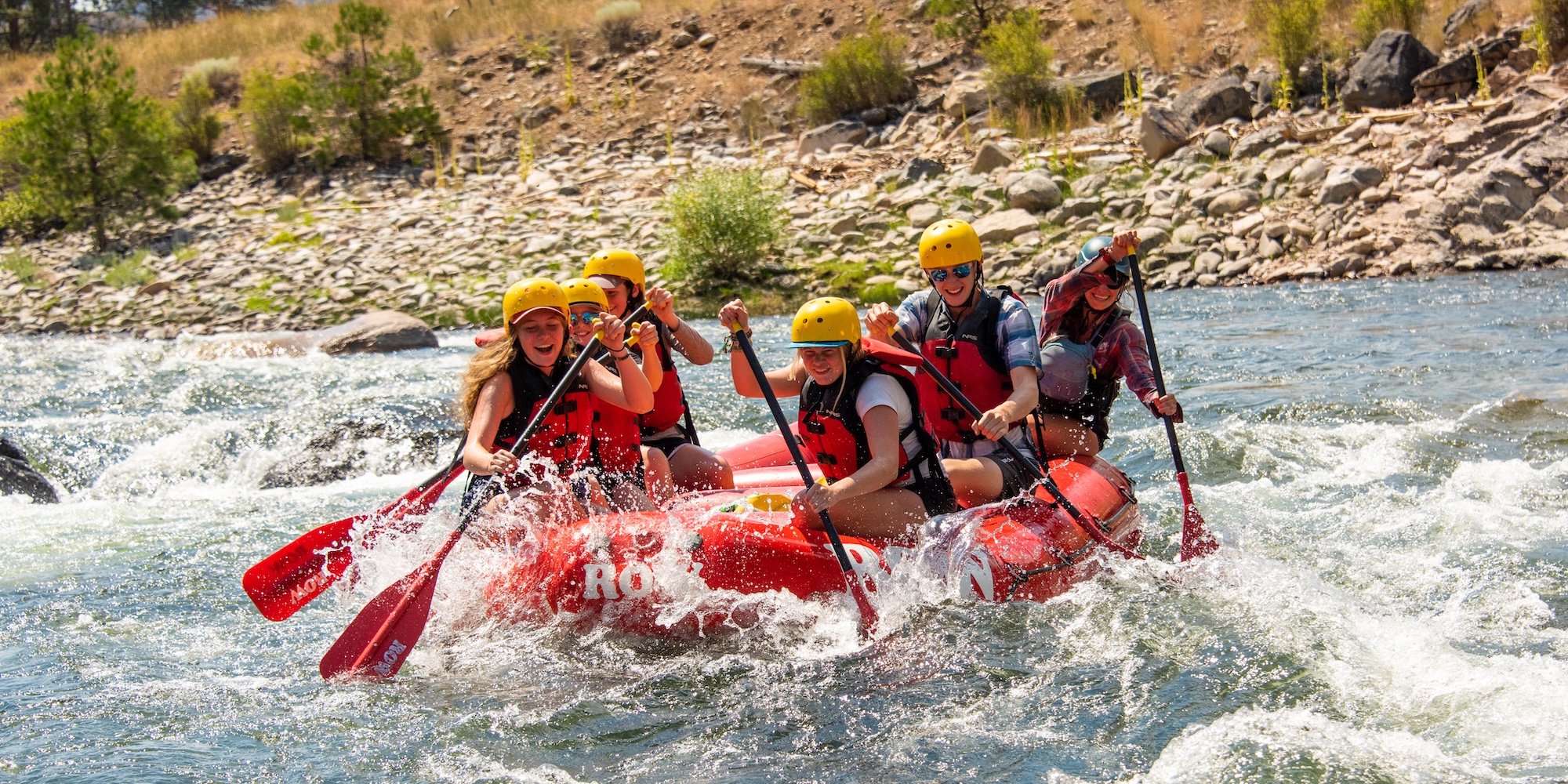
The second day on the Middle Fork is similar in temperament to day one, but the water will steadily get less shallow. The second day will likely bring your first class III rapids of the trip.
Marble Creek Rapid (III) is defined by a a right turn in the river that ends in a nice splashy drop. You might even hit Jackass Rapids (III), which has a large rock shelf in the middle that the water is rushing towards and your guide will work to navigate around.
Day 3: The Tappans & Cove Creek
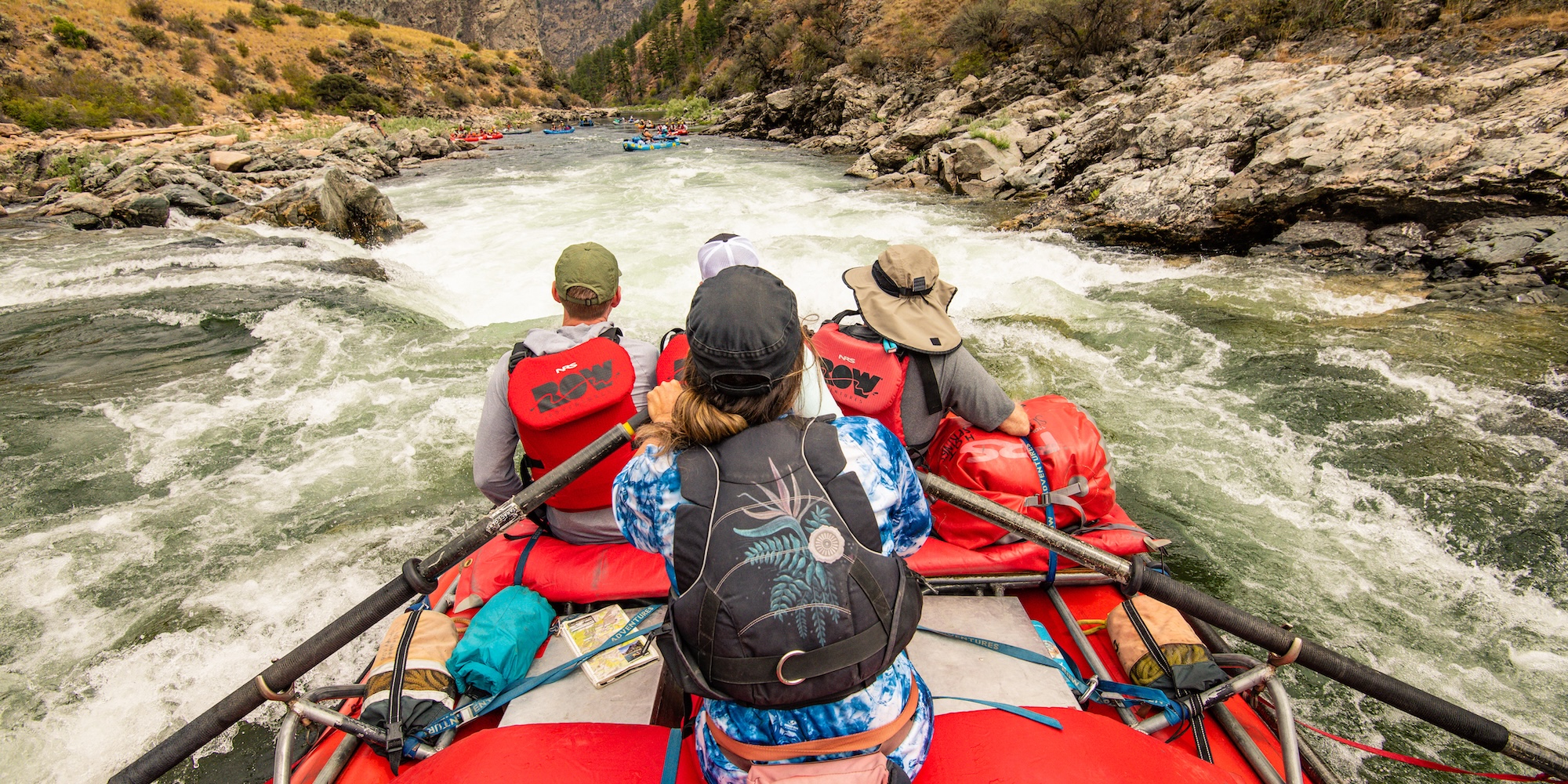
Day three is the start of the class IV rapids on the Middle Fork of the Salmon. After a relatively slow morning, you’ll enter Tappan Canyon, where the real whitewater excitement starts. You’ll see the river start to narrow and the elevation begin to drop.
The canyon has a series of four rapids. Tappan I (II) is the entrance rapid to Tappan Falls (IV). As you exit Tappan I, you’ll see the horizon line fade in the distance as you approach Tappan Falls, your first class IV. Tappan Falls is a 5-foot waterfall that offers a fun and splashy drop.
Tappan III, more commonly known as Cove Creek (IV), is approaching shortly after Tappan Falls. The entrance to this rapid is a small gap between two boulders. This rapid has many large boulders and big waves. define it. The common line through Cove Creek is to enter between the two boulders, avoid the large rock mid-rapid, and then enjoy the fun ride down the left side of this rapid. It’s known as a favorite among rafters on the Middle Fork and will likely be one that you’ll be wanting to revisit long after your trip.
The canyon ends with Tappan IV (class II), an easily navigated rapid that takes you out of the narrow canyon.
Day 4: Aparejo Point Rapids, Haystack Rapid & Bernard Creek Rapid
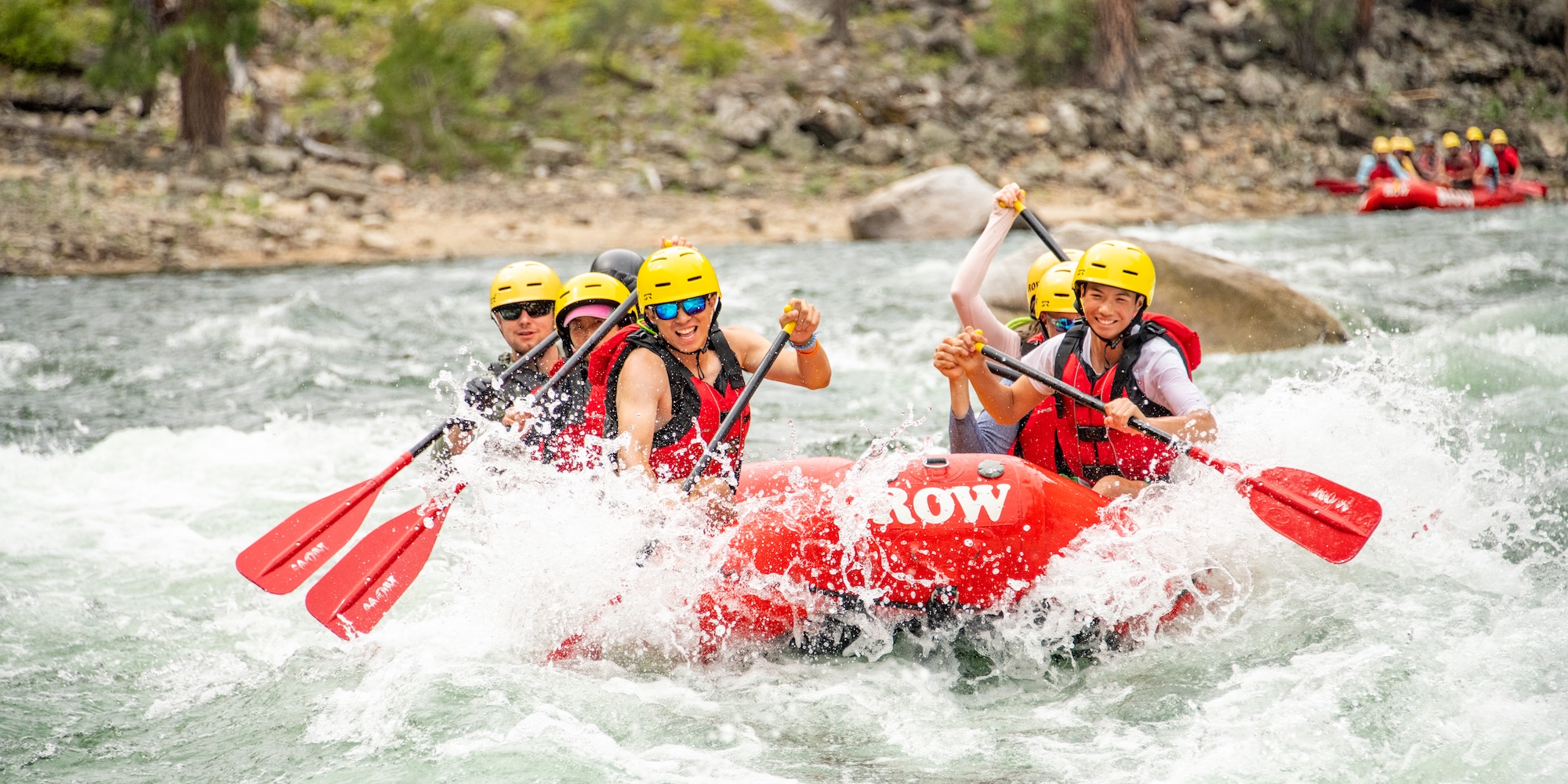
You’ll be warmed up to the whitewater on the Middle Fork at this point, and luckily, there are more class IV rapids every day for the rest of the trip. The morning of day 4 will start with a long ride through Aparejo Point Rapids (III). This is a beautiful rapid that ends with a series of splashy drops.
Later, you will hit the Flying B pools, which is likely the largest section of flatwater on the river. In this section, you’ll have time to swim, play games, and maybe even fish. Don’t let this calm section fool you into relaxing too much though, because not too far downstream of the flatwater are the next two class IV rapids: Haystack Rapid and Bernard Creek Rapid.
In Haystack, you hug the right shore as you move around rocks just peeking out of the surface until near the end you navigate between two boulders on the right. Less than twenty feet after this, Bernard Creek Rapid starts, and you bob and weave through more rocks as you search for the deepest channel through. These rapids are so close together that at higher flows, they blend together into one.
Day 5: Redside Rapid, Weber Rapid & Cliffside Rapid
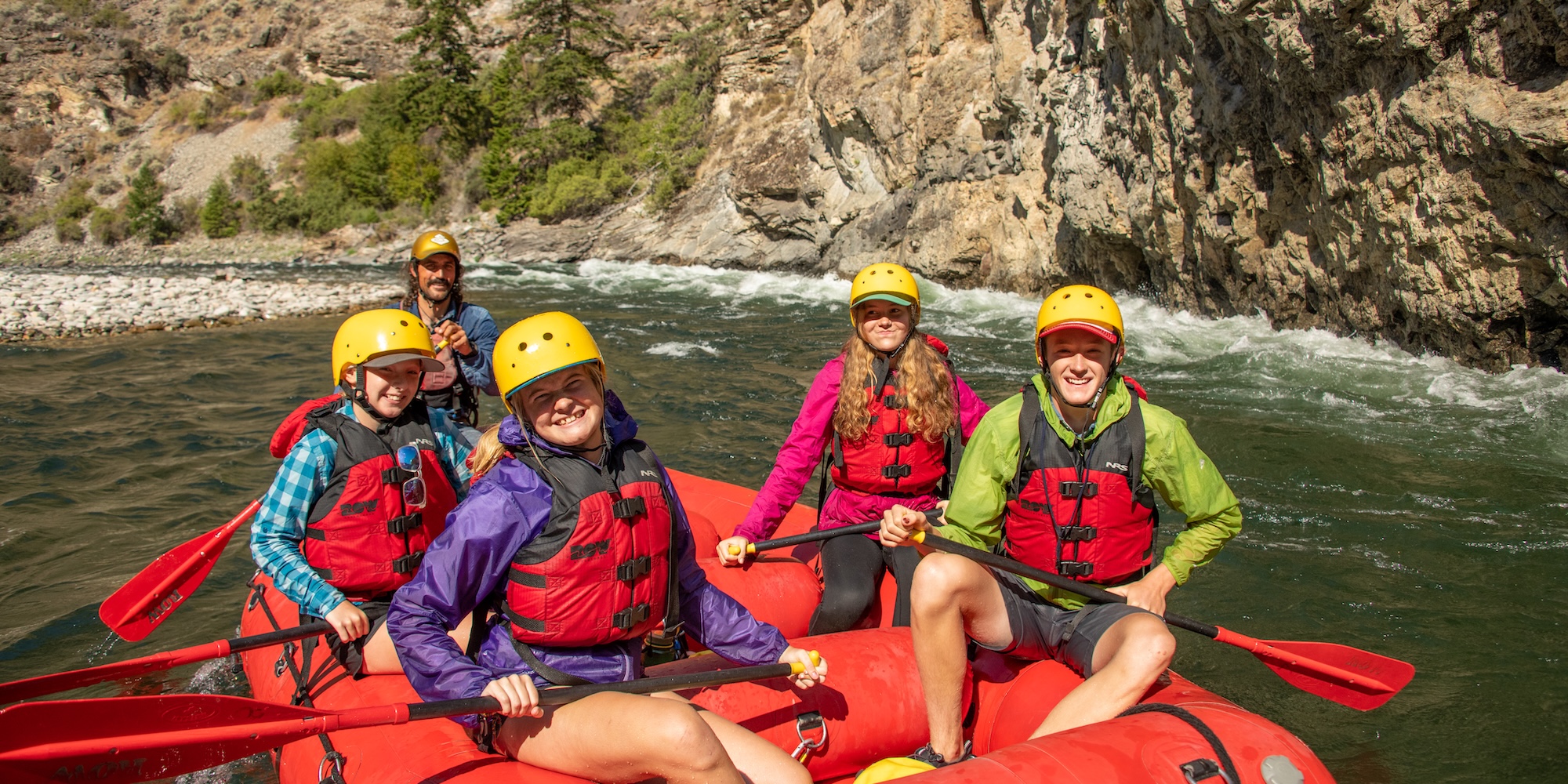
Day five is a highlight on the Middle Fork. Also known as the day of wonder, both the scenery and the rapids will leave you oohing and aahing.
Redside Rapid (IV) is the first big rapid of the day. It is a short boulder garden where you enter through two boulders on the right and then work left of Sevy’s rock at the base of the rapid.
Half a mile later, you hit Weber Rapid (IV). This stretch features a series of fun, dynamic drops with a few larger river features known as “holes.” Holes are created when water pours over a drop and recirculates, kind of like a natural jacuzzi. At certain water levels, they’re best to navigate around with the help of your guide.
Weber is an exciting and memorable rapid, offering a thrilling ride when approached with good angles and steady momentum. It’s a great example of how reading the river and moving with intention can turn a powerful rapid into one of the most fun parts of the day.
The day will likely end with Cliffside Rapid (III), which is a fun and splashy right turn punctuated by three drops that each get bigger as you float along the cliff.
Day 6: Rubber Rapid, Devil’s Tooth & the Main Salmon Confluence
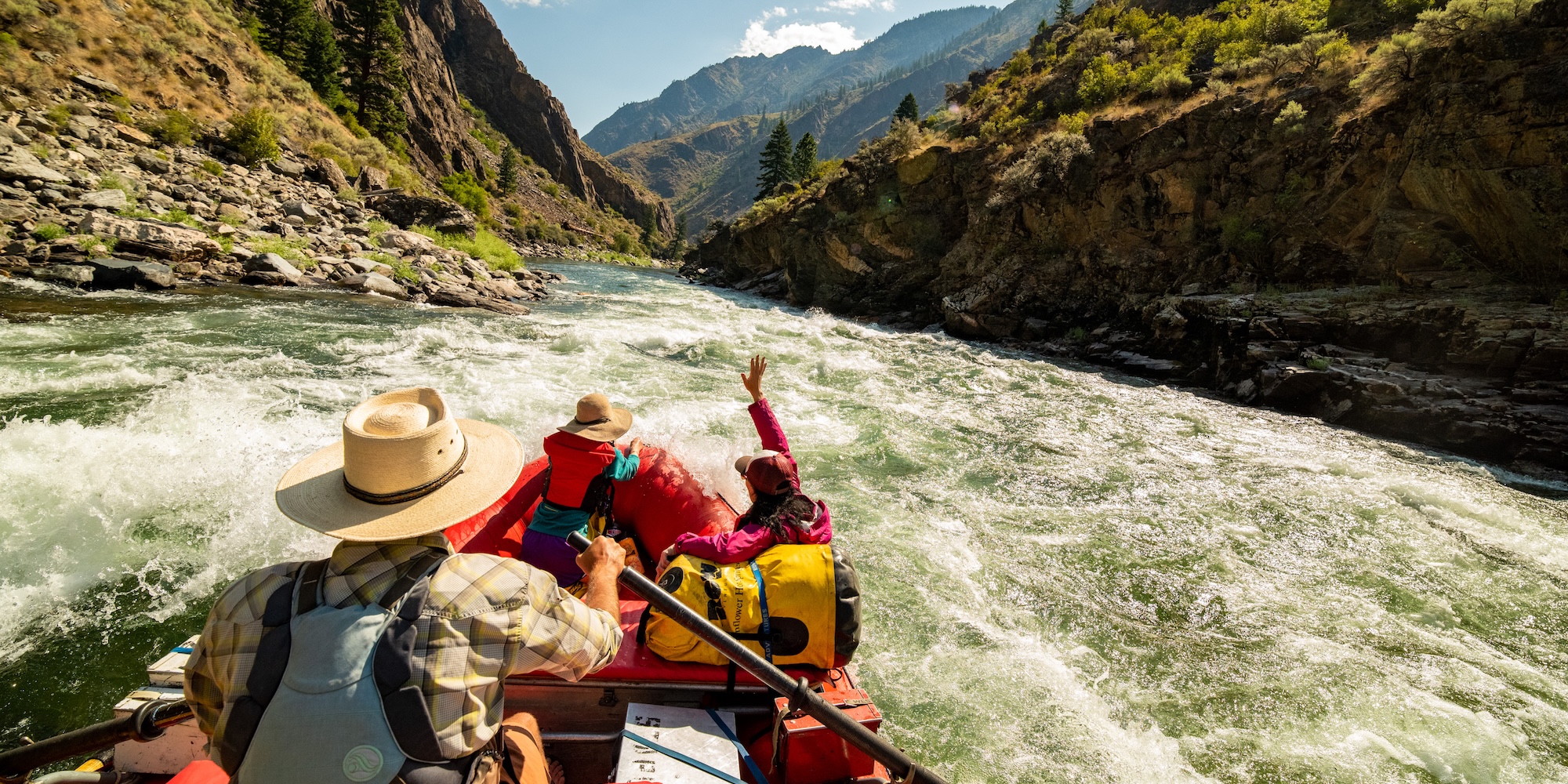
On the last day, you might already be reminiscing about how much you’ll miss the river, but the ride isn’t over yet. In fact, day 6 holds many favorite rapids of the trip.
The fun starts with Rubber Rapid (IV), which transforms from a thrilling wave-train at high water that your guide will need to carefully navigate through big, rolling waves, to a series of splashy hits right down the middle as water levels drop.
Shortly after, you have Hancock Rapid (IV), which is one of the longest rapids on the river and needs focus and steady maneuvering until the end. It ends with fun, splashy waves as you exit it.
Next, you have Devil’s Tooth (IV). Although it’s a short rapid, it requires quick thinking. You enter through a narrow gap between two rocks in the middle of the river that spits you into a drop. There is a tooth-shaped rock in the middle of the drop that is best avoided. So in a short span of time, you have to hit the entrance, avoid the “devil’s tooth,” and then ride out the rest of the splashy rapid.
Next, you have House of Rocks (III+). This is a rapid marked with many house-sized boulders to navigate through. The line through changes slightly as the water level drops, so every trip presents a new adventure.
Once you hit the confluence of the Middle Fork and Main Salmon and enter the Main Salmon River, the whitewater isn’t over yet. In fact, the largest rapid with the highest volume of water on the trip is a quarter mile above the takeout: Cramer Creek Rapid (IV). Generally, this rapid is run right of center. Hold on for a bumpy ride as you crash through waves larger than anything you’ve seen on the Middle Fork.
Beyond the Middle Fork
As you arrive at the takeout, you’re left wondering what you would encounter if you continued floating down the Main Salmon. The river doesn’t end here. It simply changes. For those not quite ready to be done, it’s a natural next step in the journey.