
Snake River Rafting in Idaho
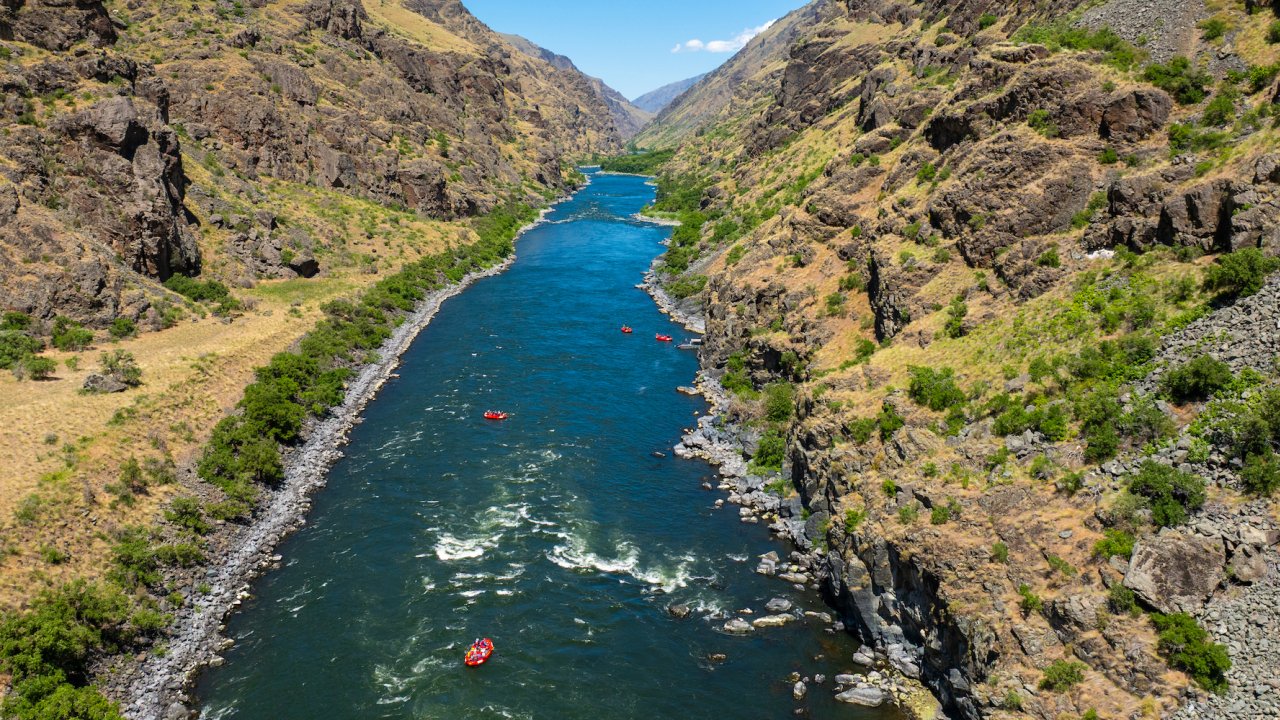
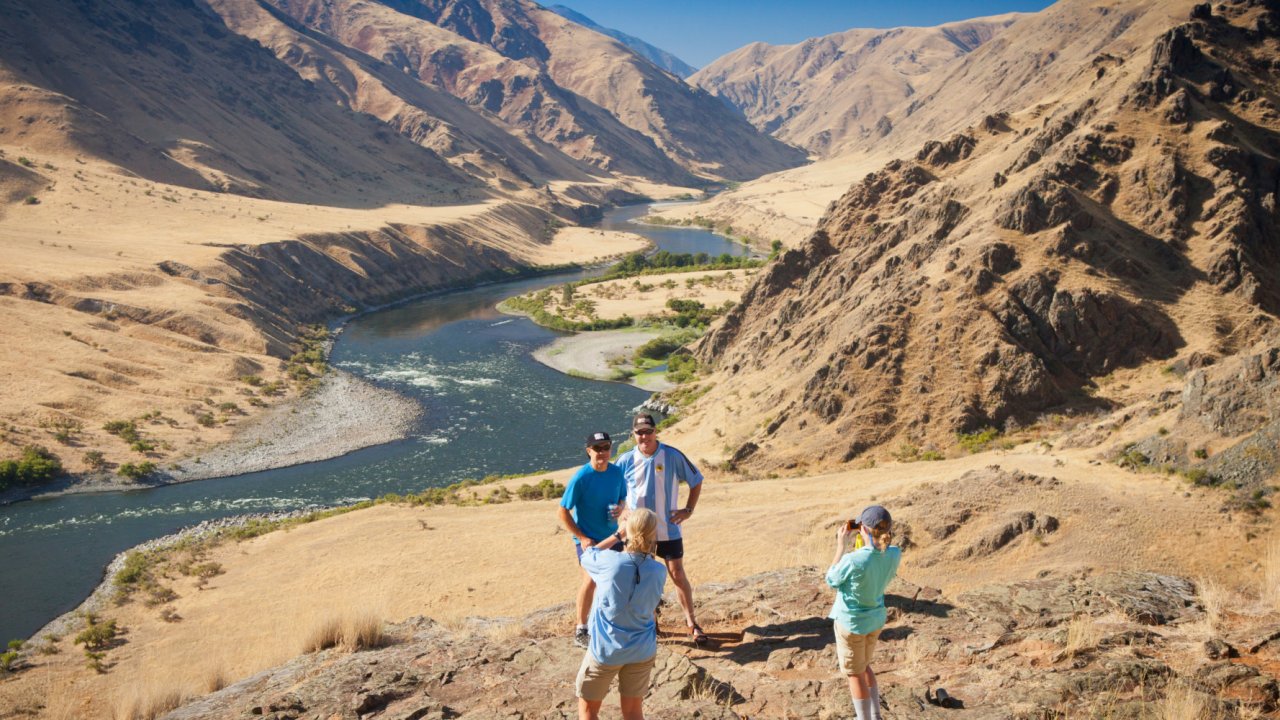
Hells Canyon, carved by the Snake River along the Idaho–Oregon border, is the deepest river gorge in North America. This legendary stretch of water is the heart of Snake River rafting in Idaho, offering a rare combination of dramatic scenery and exciting whitewater.
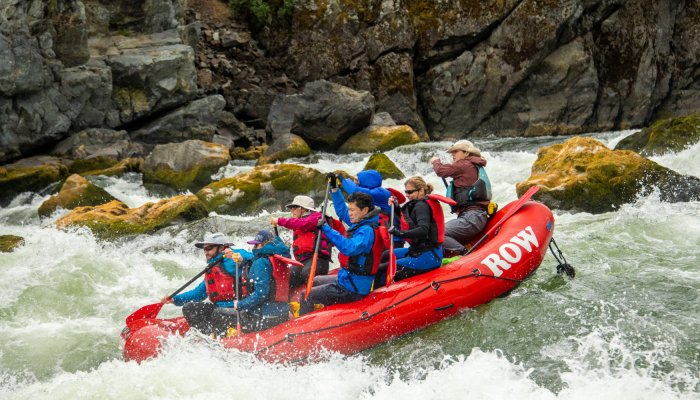
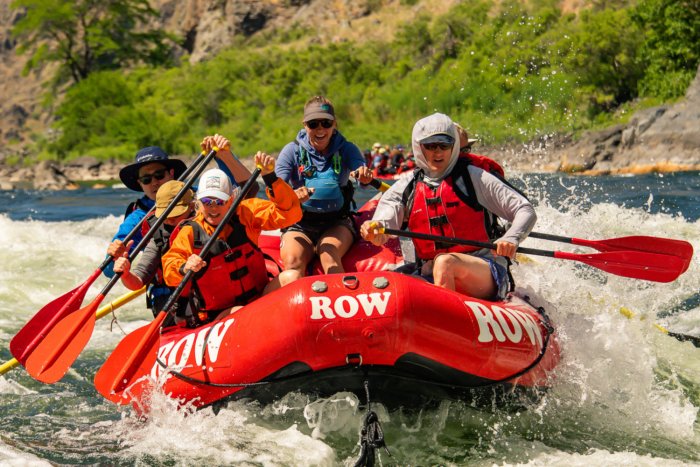
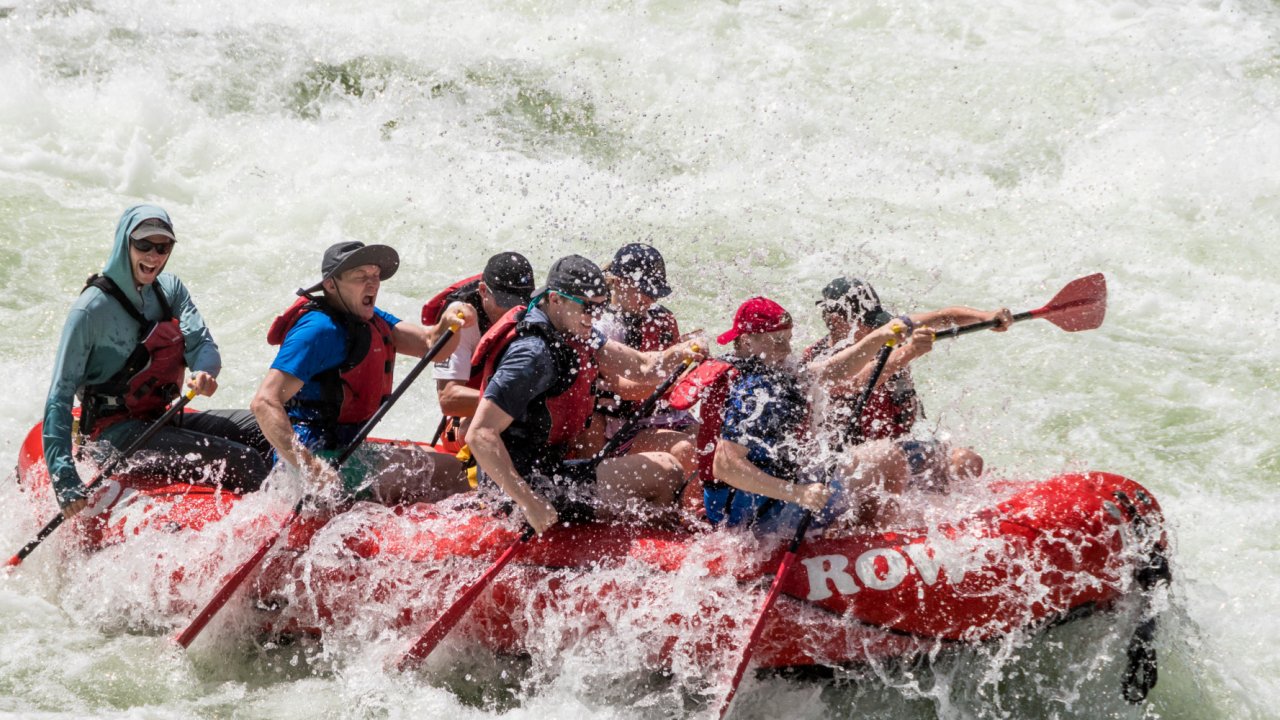
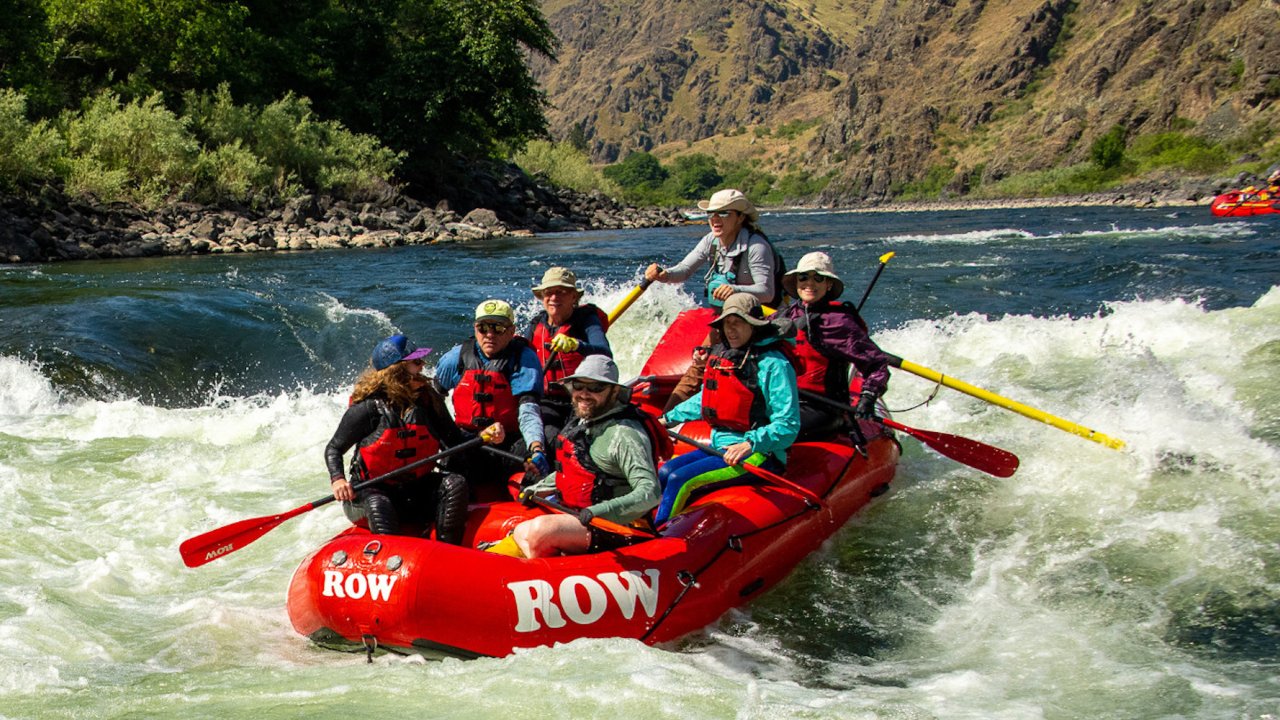
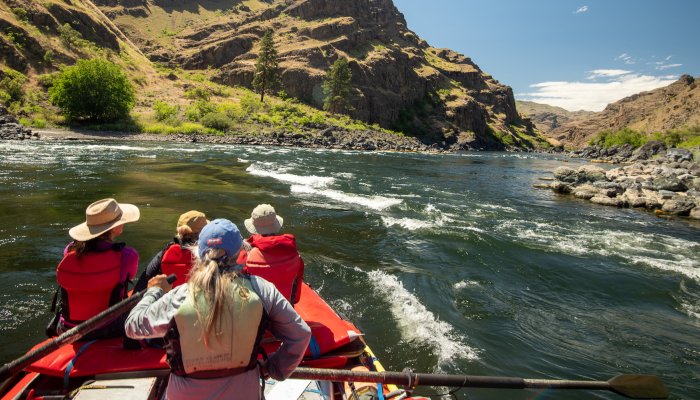
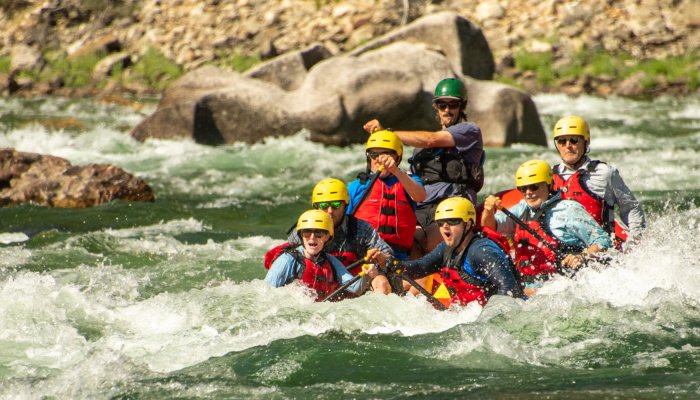
As the Snake River flows north through Hells Canyon, it cuts through towering canyon walls and rugged terrain shaped by ancient landslides and powerful geologic forces. Massive boulders and rockslides have fallen into the river over time, creating some of the most thrilling whitewater rafting rapids in the Pacific Northwest. High-crested waves, splashy runs, and dynamic hydraulics deliver the kind of excitement that has made Hells Canyon rafting an iconic American adventure.
Our Trips

Snake River Rafting in Idaho
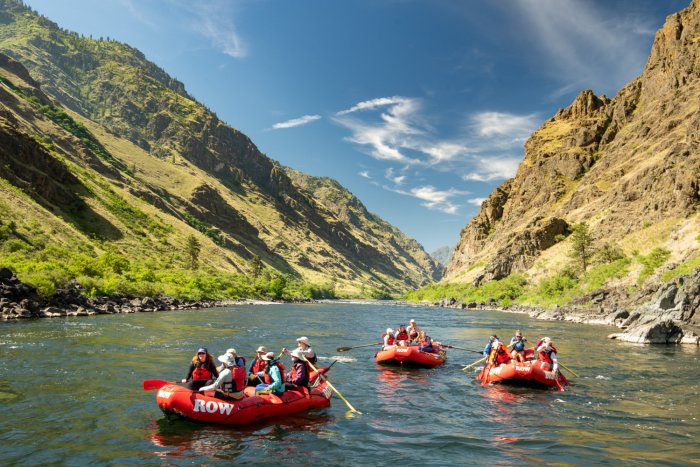
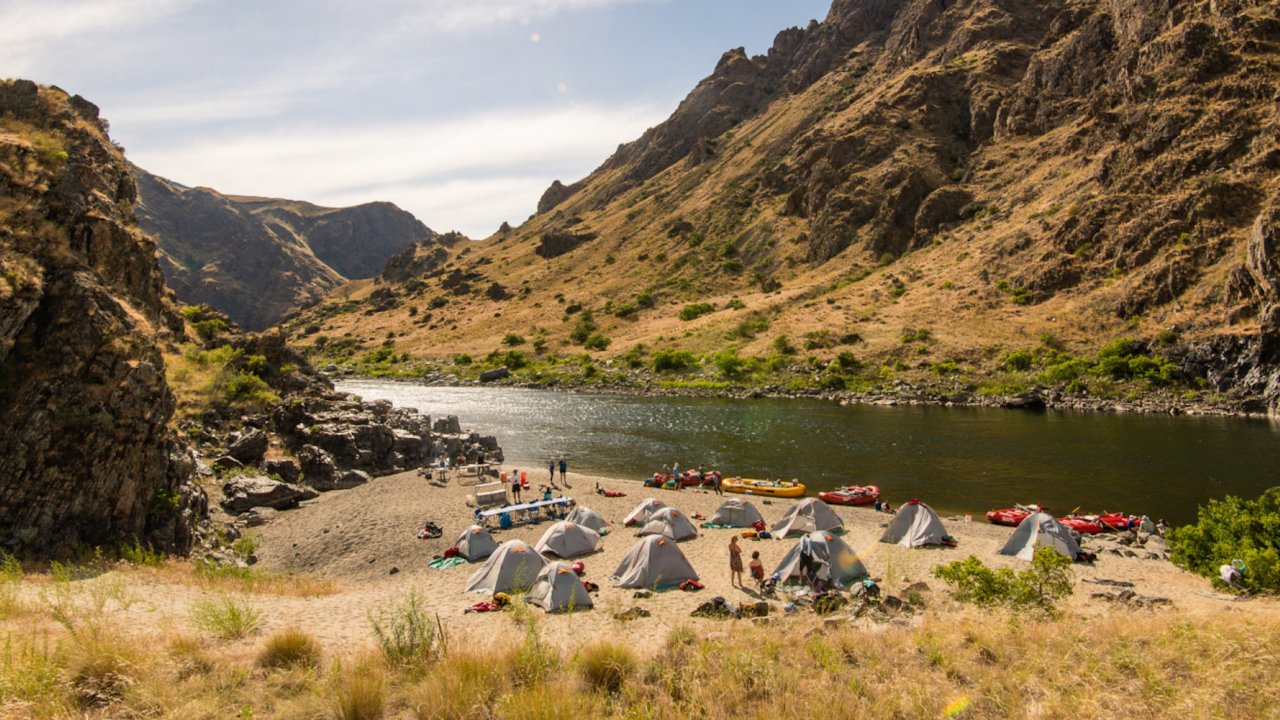
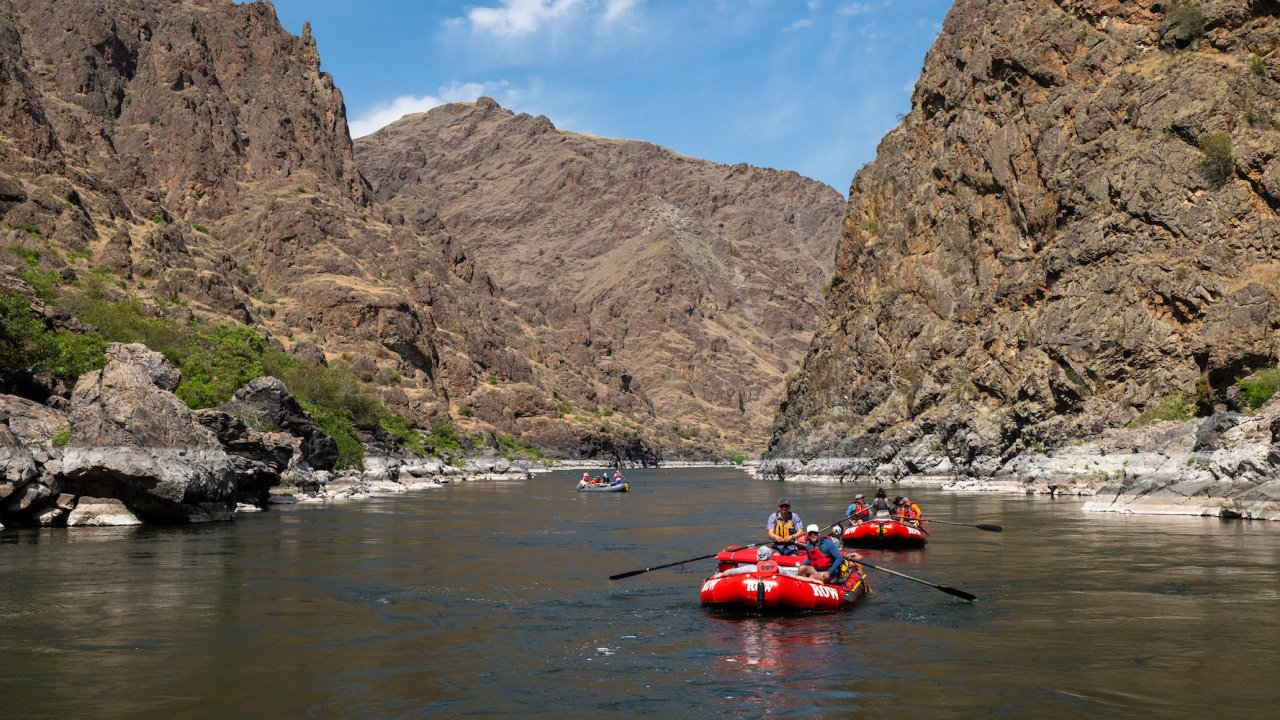
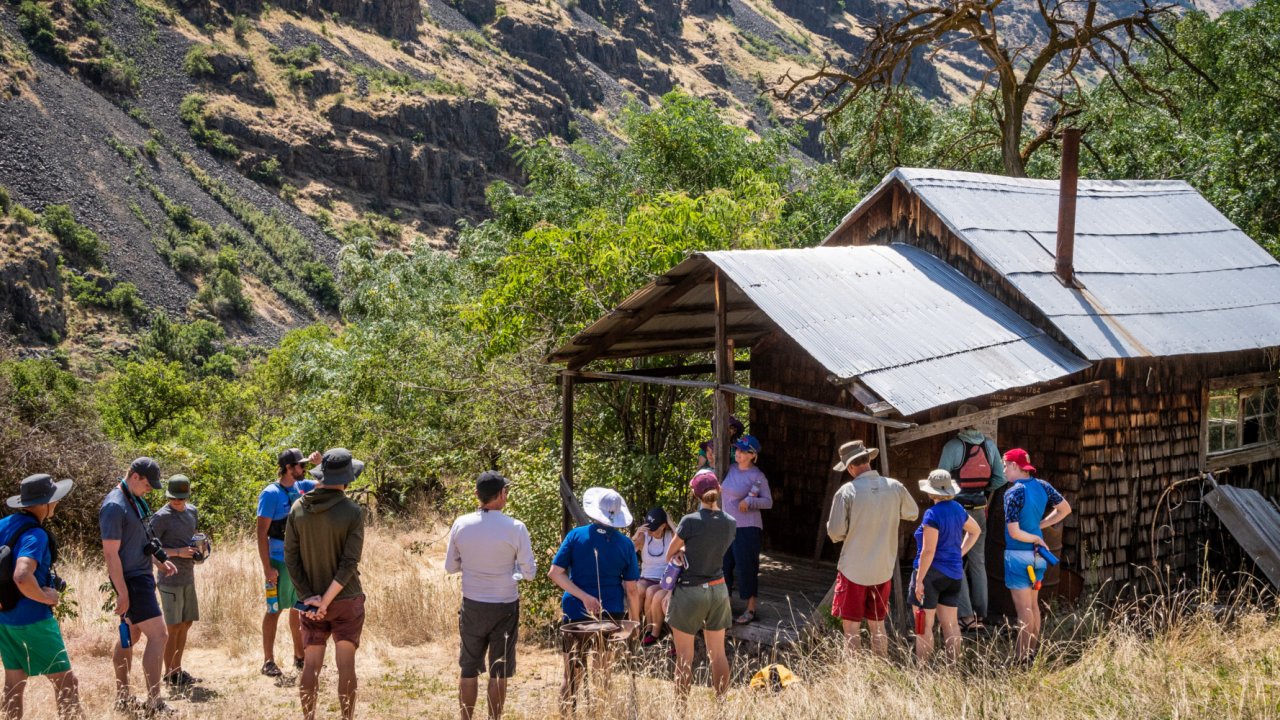
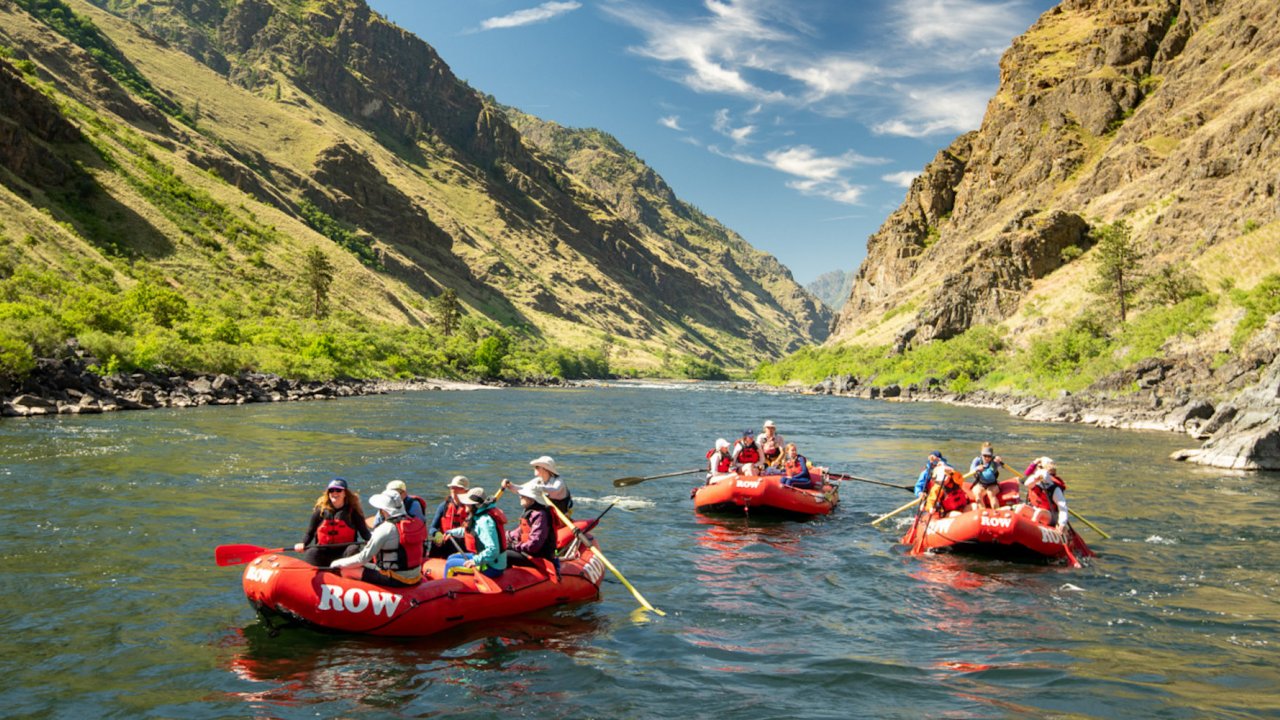
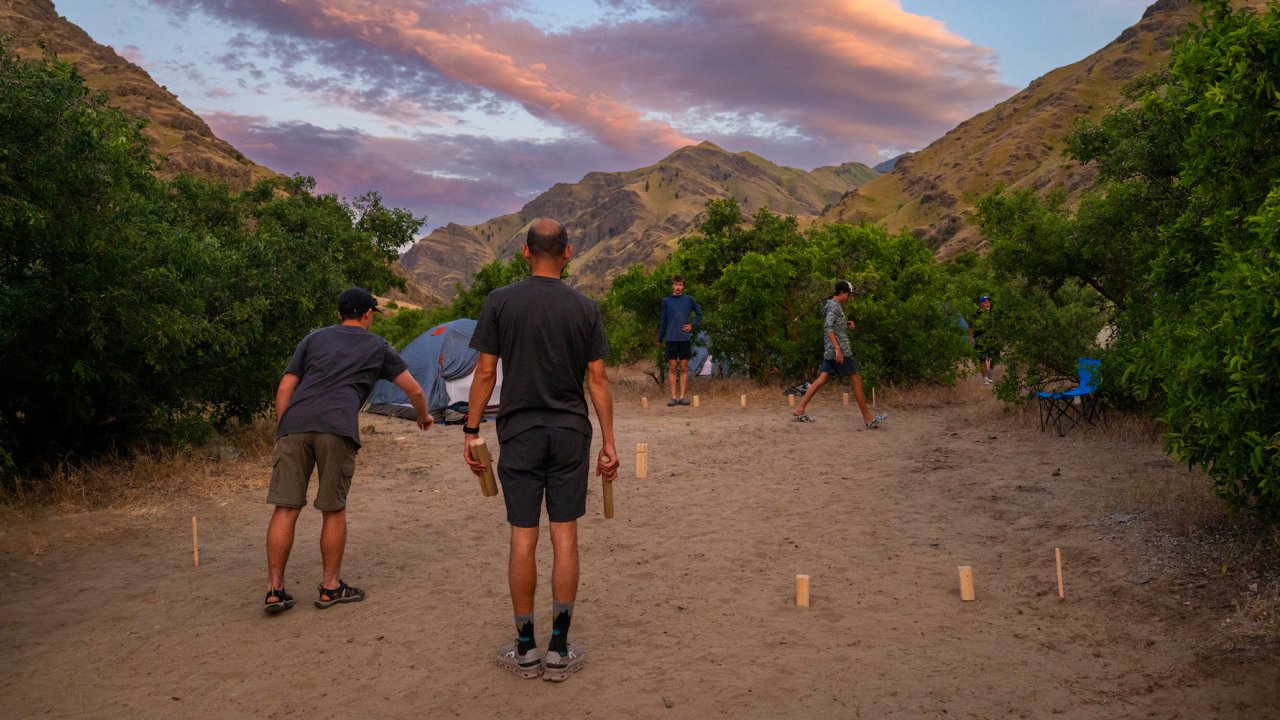
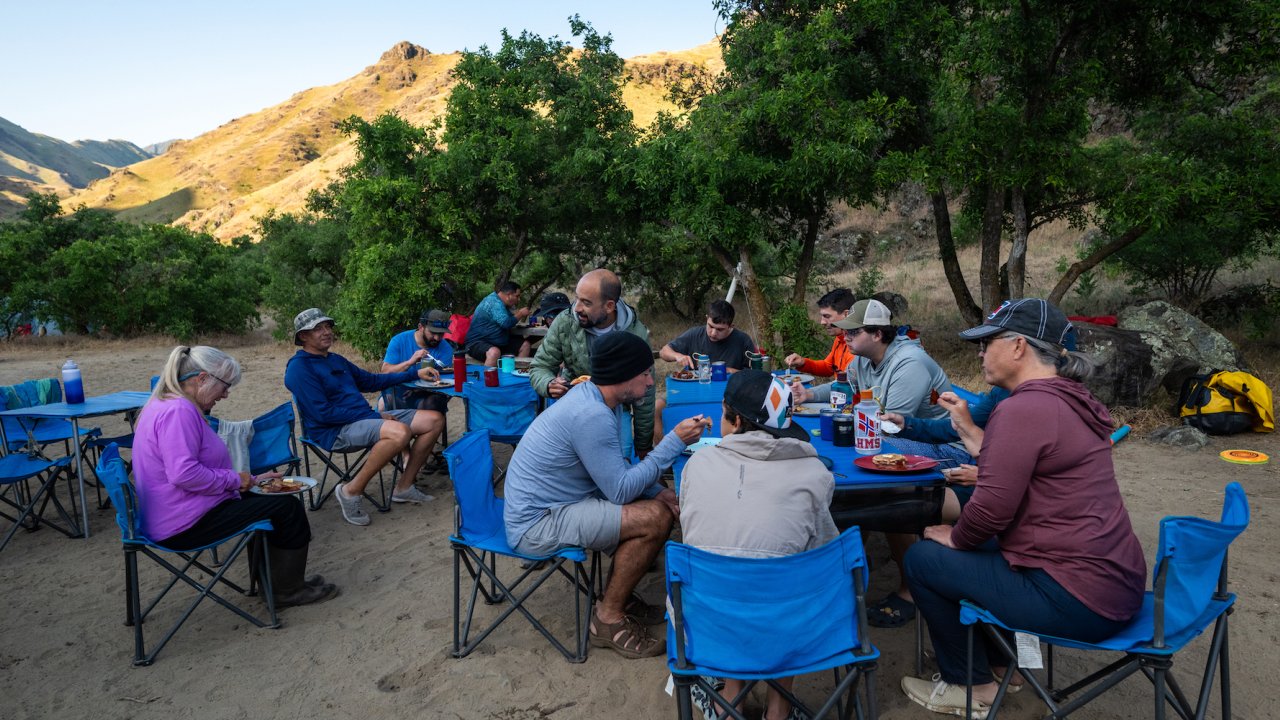
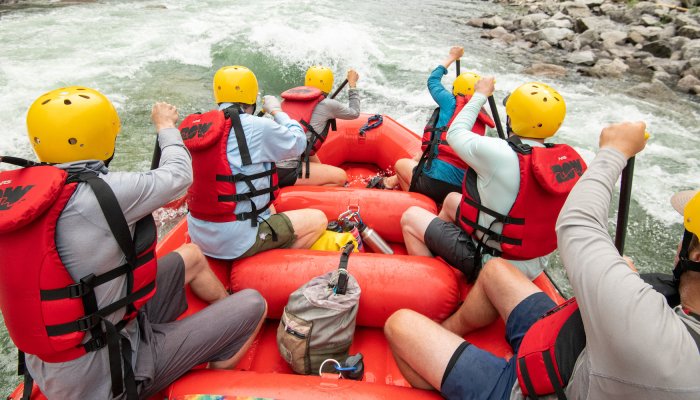
Embark on a five-day Snake River rafting adventure through Hells Canyon, the deepest river gorge in North America. This stretch of the Snake River in Idaho is known for its classic pool-and-drop whitewater, delivering exciting rapids created by massive boulders and ancient rockslides, balanced by calm sections of scenic floating. Along the way, enjoy riverside camping with time each evening for swimming, short hikes, fishing, relaxing by the river, and stargazing. Days on the river include navigating splashy whitewater, exploring Native American rock art sites, and visiting historic homesteads that offer insight into early life in Hells Canyon. With open-air dining, knowledgeable guides, and immersive canyon scenery, Hells Canyon rafting offers a rewarding mix of adventure, history, and time to slow down and connect with the river.
Snake River Hiking in Idaho
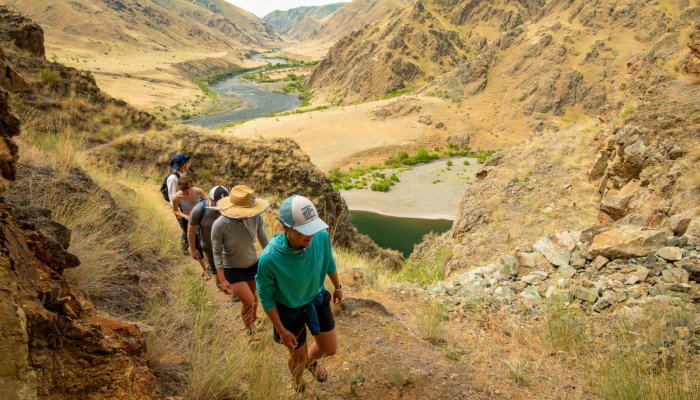
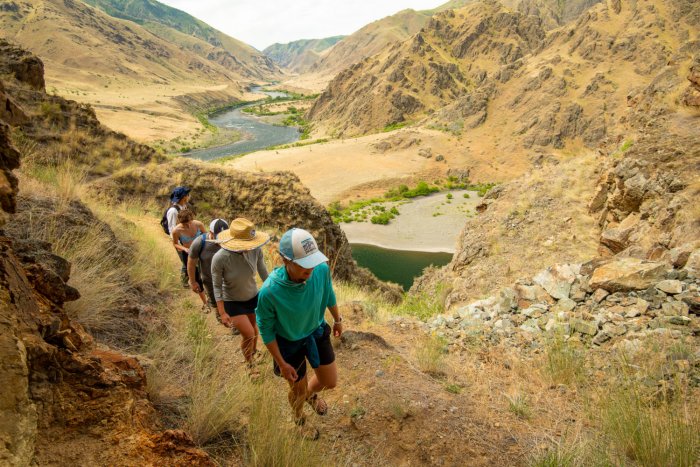
ROW Adventures’ Snake River hiking trips are perfect for those who prefer lighter packs and a mix of adventure and scenic exploration. These moderately challenging hikes follow trails that run alongside the Snake River in Idaho, offering ups and downs with panoramic canyon views. The journey begins at Hells Canyon Dam, with a scenic float to the trailhead on large cargo rafts or paddle rafts. Surrounded by towering mountain ranges including the Seven Devils and Wallowa Mountains, this 30-mile hiking adventure showcases the river’s legendary rapids, dramatic cliffs, and remote wilderness. Hike along the Snake River while ROW’s rafts shuttle your gear, combining the best of river and trail exploration.
Snake + Lochsa Rafting
Commence your adventure in Cambridge, Idaho, before launching on the Snake River. Once you are on the river, encounter Class IV rapids like "Wild Sheep" and "Granite," fish for trout, and partake in a short hike. Riverside camping provides a serene evening, complete with hors d’oeuvres and starlit skies. Days one through three bring more rapids, scenic exploration, and Native American rock art sites, followed by overnight camping at different beaches along the way. On Day three, head to Pittsburg Landing before transitioning to the Lochsa River for further adventures. The fourth day challenges you with the technically demanding whitewater of the Lochsa River, featuring Class III to IV rapids. An enchanting island camp awaits for the final night. On Day five, paddle through Goat Range rapids before returning to Lewiston.





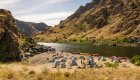










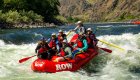

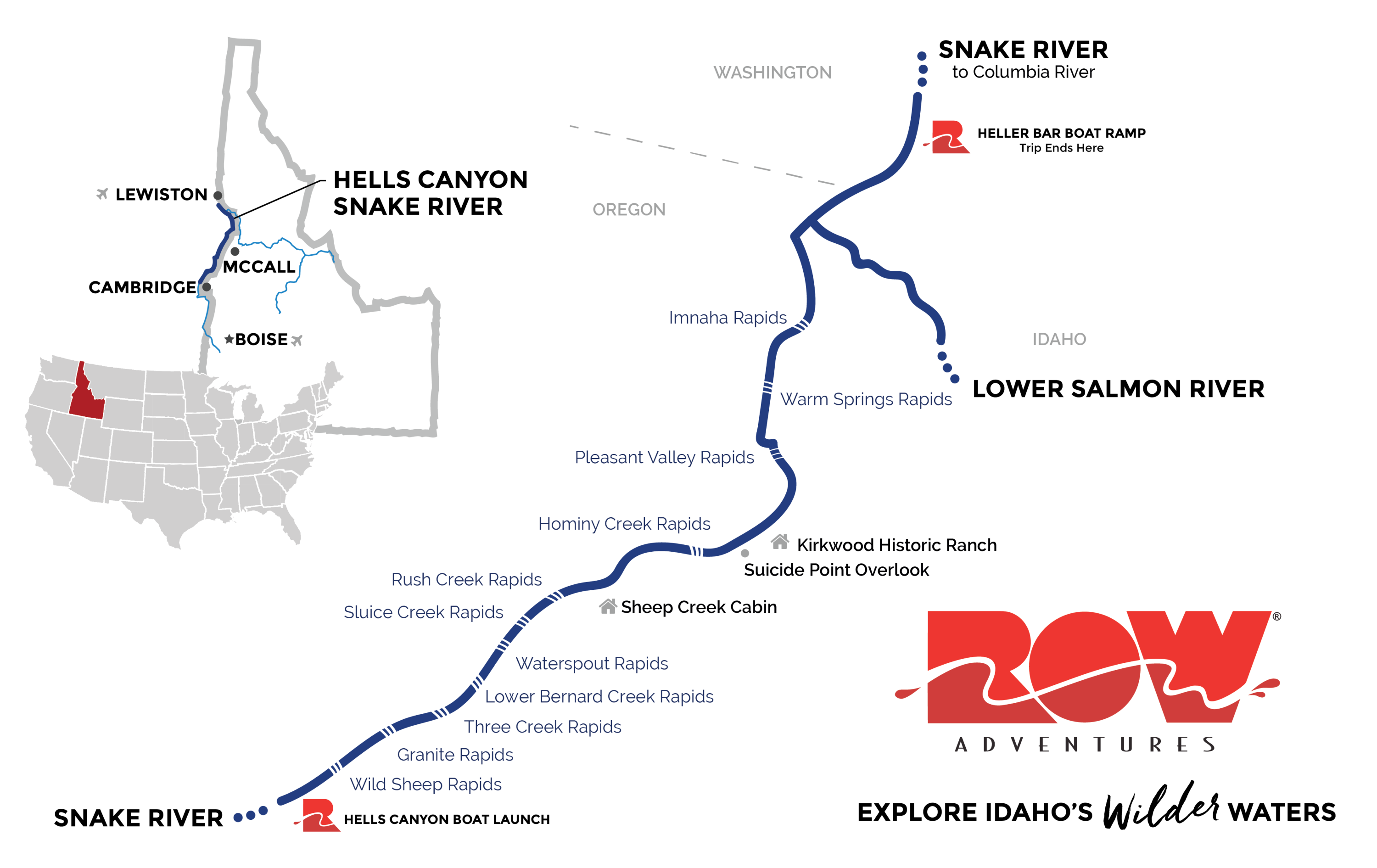
Map of the Snake River through Hells Canyon


Where is the best place to go rafting on the Snake River?
The best place to go rafting on the Snake River is through Hells Canyon in Idaho, especially on a multi-day trip that allows time to fully experience the river. Hells Canyon is the deepest river gorge in North America and offers the most complete Snake River rafting experience, combining exciting whitewater, dramatic scenery, wildlife, and rich cultural history.
With its warmer climate, varied rapids suitable for both first-time and experienced rafters, and access to remote canyon landscapes, Hells Canyon rafting on the Snake River in Idaho stands out as the best overall destination for Snake River rafting. For travelers looking for the most immersive and rewarding experience, a guided 5-day trip through Hells Canyon offers the best way to explore this iconic river.
What is the best time of year for Snake River rafting?
The best time of year for Snake River rafting in Idaho is typically late spring through early fall, with May through September offering the most reliable conditions. That said, the ideal timing depends on what kind of experience you’re looking for—especially in Hells Canyon, one of the most popular sections of the Snake River.
In spring (May–June), higher snowmelt creates bigger, splashier rapids and a more adventurous whitewater experience. This is a great time for travelers seeking excitement, dramatic scenery, and fewer crowds.
Summer (July–August) brings warmer air and water temperatures, making it the most popular season for Snake River rafting. These months are ideal for swimming, relaxing riverside, family trips, and enjoying a balance of whitewater and calm stretches.
Fall (September) offers cooler temperatures, golden canyon colors, and fewer people on the river that create a quieter, more immersive experience while still offering excellent rafting conditions.
Thanks to its lower elevation and warmer climate, Hells Canyon rafting on the Snake River offers a longer and more comfortable rafting season than many other rivers in Idaho. For most travelers, the combination of weather, water levels, and scenery makes late spring through early fall the best overall window for Snake River rafting.
Are Snake River rafting trips family-friendly?
Yes, Snake River rafting trips in Idaho through Hells Canyon are family-friendly. This stretch of the Snake River offers a mix of exciting whitewater and calm scenic sections, making it well-suited for families traveling with kids.
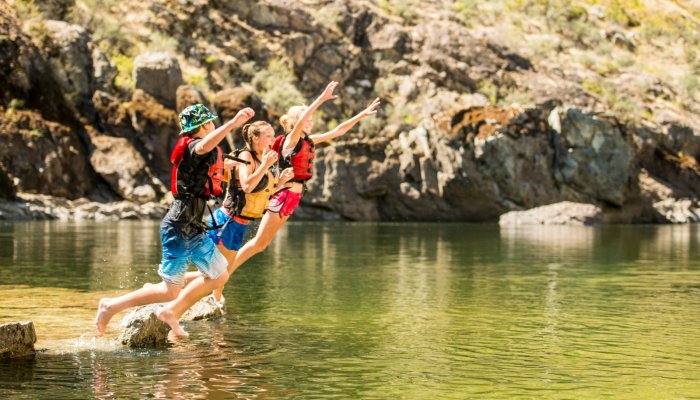
In Hells Canyon, rafting trips are designed with flexibility in mind. Rapids are fun and splashy, and there’s plenty of time between rapids for swimming, short side hikes, wildlife viewing, and relaxing along the river. Multi-day trips also allow for a slower pace, which is ideal for families who want both adventure and downtime.
For families looking to experience Snake River rafting, Hells Canyon rafting trips stand out as one of the best options combining manageable whitewater, incredible scenery, and activities that keep both kids and adults engaged throughout the trip.
What are the different rapids levels on the Snake River?
The Snake River through Hells Canyon offers a wide range of whitewater. The rapids span Class II, Class III, and multiple Class IV rapids. This variety is one of the reasons Snake River rafting in Idaho is so popular with both first-time rafters and experienced adventurers.
- Class II rapids are common throughout Hells Canyon and provide fun, splashy waves with straightforward routes. These sections allow rafters to relax and enjoy the scenery.
- Class III rapids increase the excitement with stronger currents, larger wave trains, and more dynamic maneuvering. These rapids deliver the classic whitewater rafting experience most people are looking for.
- Class IV rapids occur at several points along the Snake River through Hells Canyon, created by boulders and old rockslides that have narrowed the river channel. At certain water levels, these rapids feature powerful hydraulics, steep drops, and big, rolling waves that provide a thrilling challenge.
Overall, rafting the Snake River in Idaho through Hells Canyon delivers a balanced mix of splashy fun, adrenaline-pumping rapids, and scenic floating, making it one of the most versatile and rewarding rafting destinations in the Pacific Northwest.
For more details on rapids through Hells Canyon, read here.
Do I need experience to raft the Snake River?
No, you do not need prior rafting experience to raft the Snake River, especially on guided trips through Hells Canyon in Idaho.
On Hells Canyon rafting trips, guests encounter a mix of Class II, Class III, and Class IV rapids. While some rapids are exciting and powerful, they are navigated by experienced guides who read the river and choose navigation based on current conditions and group ability. Before launching, guides explain paddling techniques, safety procedures, and what to expect in the rapids, so no previous whitewater experience is required.